

By Business Insider Reporter
Tanzania’s Islamic finance market is moving beyond banking into a broader investment ecosystem, creating new channels for mobilising savings, financing businesses and infrastructure, and attracting investors seeking Shariah-compliant opportunities.
The transformation has prompted the influential Islamic Finance News (IFN) to describe Tanzania as being at a “turning point for Islamic finance”, following the introduction of dedicated non-interest banking regulations and rapid growth in Islamic capital-market products.
At the heart of the shift is the Bank of Tanzania’s Non-Interest Banking Business Regulations, 2025, which provide a formal framework for Islamic and other non-interest banking, covering governance, Shariah advisory arrangements, risk management, consumer protection and transparency.
The regulations were gazetted last December and became effective as of 1 January 2026.
An ecosystem takes shape
Tanzania now has five Islamic banking providers: fully-fledged Amana Bank, alongside Islamic banking windows operated by CRDB Al Barakah, KCB Sahl, NBC La Riba and PBZ Ikhlas.
The Centre for Islamic Finance, Compliance and Advice (CIFCA), which supports the development, professionalisation and Shariah compliance of Islamic finance in Tanzania and the wider East African region says the sector continued to expand in 2025, with institutions broadening products for individuals, SMEs and corporates.
The ecosystem is also spreading into investment funds. Alpha Halal Fund and Imaan Finance Fund provide Shariah-compliant investment avenues beyond conventional bank deposits, widening the potential investor base.
Insurance is another emerging pillar. ZIC Takaful, First United Takaful and Al Barakah Takaful are now licensed operators, according to CIFCA. Takaful is essentially Islamic insurance based on mutual assistance: participants contribute to a common pool used to provide protection against agreed risks, rather than the conventional insurance model.
The numbers point to accelerating demand. Takaful gross written premiums rose from about TSh541 million in 2023 to TSh4.62 billion in 2024, according to TIRA data.
Sukuk: the big investment opportunity
The strongest growth is emerging in Sukuk, which are Shariah-compliant investment certificates broadly comparable to conventional bonds, but structured around ownership or participation in underlying assets or business activities rather than interest-bearing debt. Investors earn returns generated by those underlying assets or activities.
The market now includes Imaan Finance/iTrust, CRDB Al Barakah, the Zanzibar Government and other issuers.
CIFCA says total Sukuk issued in Tanzania reached TSh735.06 billion by 2025, with TSh601.32 billion issued during 2025 alone, making Sukuk one of the fastest-growing components of the country’s Islamic capital markets.
CRDB’s Al Barakah Sukuk illustrates the investment appetite. Its current five-year issue offers a 12 percent annual profit rate for Tanzanian shillings investments and six oercent for US dollars, with a minimum investment of TSh500,000 or US$1,000, and is tradable through the Dar es Salaam Stock Exchange.
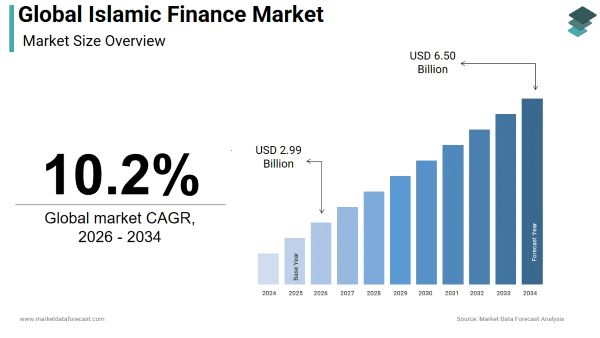
For Tanzania, the significance is bigger than religious finance.
Islamic finance is emerging as another mechanism for mobilising domestic savings, attracting new pools of capital and financing productive investment. The challenge now is to deepen the market, expand investor awareness and develop more Shariah-compliant products capable of financing businesses, housing and infrastructure. Sectoral observers say that if that momentum is sustained, Tanzania’s Islamic finance industry could move from a niche segment of the financial system into a mainstream capital-mobilisation engine supporting the country’s next phase of economic growth.