By Business Insider Reporter
Muhimbili National Hospital (MNH) has taken a significant step in expanding Tanzania’s regional health footprint by forging a strategic partnership with the Comoros National Army.
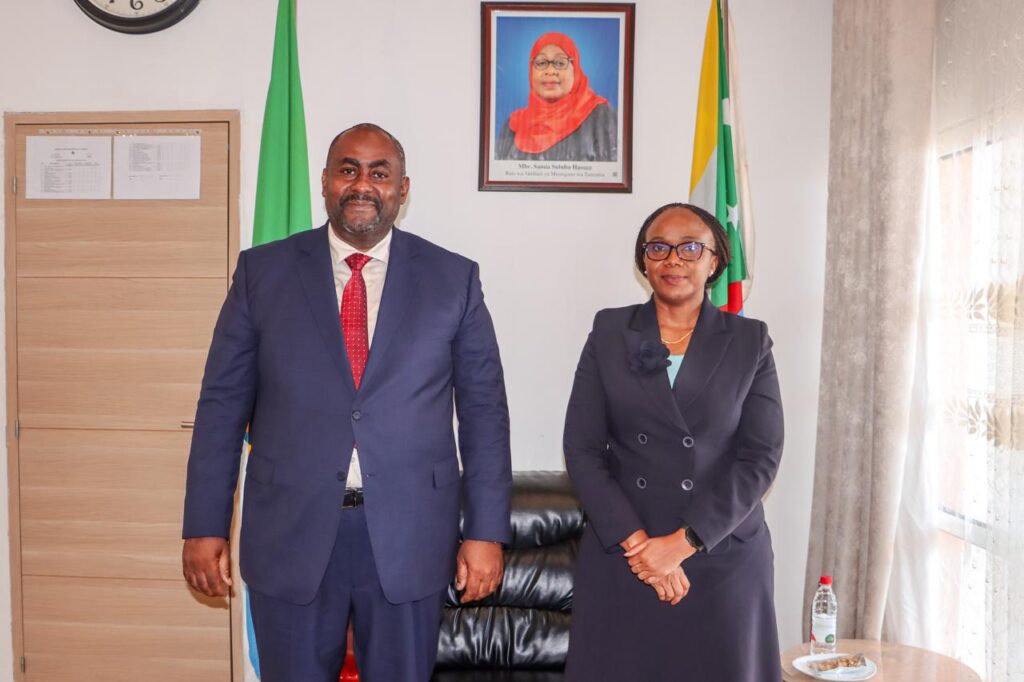
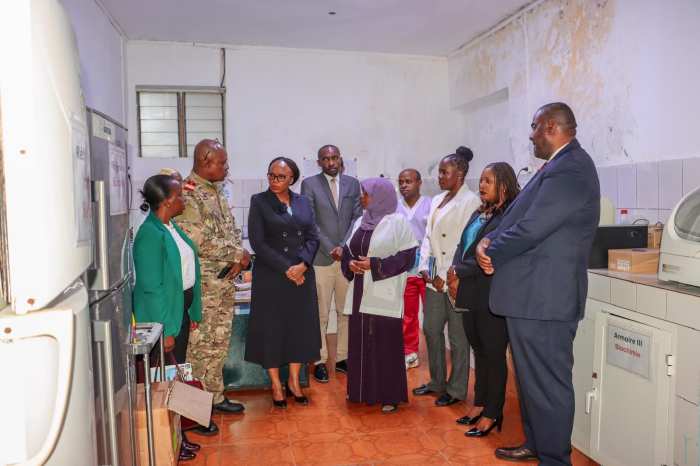
The historic milestone for the country’s premier national hospital was achieved during an official working visit to the island nation by MNH leadership, aimed at formally establishing collaboration in both military and civilian healthcare services.
This landmark partnership underscores MNH’s commitment to advancing healthcare excellence and strengthening cross-border medical cooperation.
The high-level delegation from Muhimbili was led by the hospital’s Executive Director, Dr. Delilah Kimambo, and came at the invitation of the Comorian Armed Forces.
The expedition formed part of structured preparations to establish long-term collaboration in healthcare delivery, with a particular focus on strengthening services within the Comoros Military Hospital.
During the visit, Muhimbili’s leadership held technical discussions with senior military officials and hospital administrators, toured medical facilities, reviewed existing equipment, and assessed service delivery gaps.
The engagements allowed both sides to identify priority areas for cooperation, including hospital management systems, expansion of specialized and super-specialized services, modernization of medical equipment, and adoption of integrated treatment approaches.
The Comoros National Army is seeking to leverage Muhimbili’s experience as Tanzania’s premier referral and super-specialised hospital to improve healthcare access and quality for both military personnel and the wider population.
For Muhimbili, noted Dr. Kimambo, the alliance represents a strategic extension of its expertise beyond Tanzania’s borders, positioning the institution as a regional partner of choice in advanced medical care and hospital administration.
The visit was facilitated by the Embassy of Tanzania in Comoros, with Ambassador Saidi Yakubu emphasising Tanzania’s commitment to health diplomacy as a pillar of regional cooperation.
His participation and close involvement highlighted the Sixth Phase Government’s broader objective of using healthcare collaboration to strengthen bilateral relations and promote South–South cooperation.
Muhimbili’s leadership reaffirmed the hospital’s readiness to support capacity building through training, knowledge transfer, and technical support, including the development of specialized services that are not yet available in Comoros.
Such collaboration is expected to reduce the need for long-distance medical referrals outside the region while raising treatment standards within Comoros, Dr. Kimambo emphasised.
Strategically, the alliance also enhances Muhimbili’s stature as a regional centre of excellence. As partnerships with neighbouring countries grow, Muhimbili increasingly becomes a natural referral hub for complex cases, reinforcing Tanzania’s ambition to become a destination for high-quality medical care in the region.
“Cross-border collaborations of this nature build institutional trust, professional linkages, and patient confidence, all of which are critical foundations for a thriving medical tourism sector.”
The engagement with the Comoros National Army therefore marks more than a routine diplomatic visit; it signals Muhimbili’s emergence as a regional health partner capable of shaping healthcare systems beyond its borders. It also opens a new chapter in Tanzania–Comoros relations, anchored in practical cooperation that delivers both health and economic value while strengthening strategic ties between the two nations.