By Business Insider Reporter
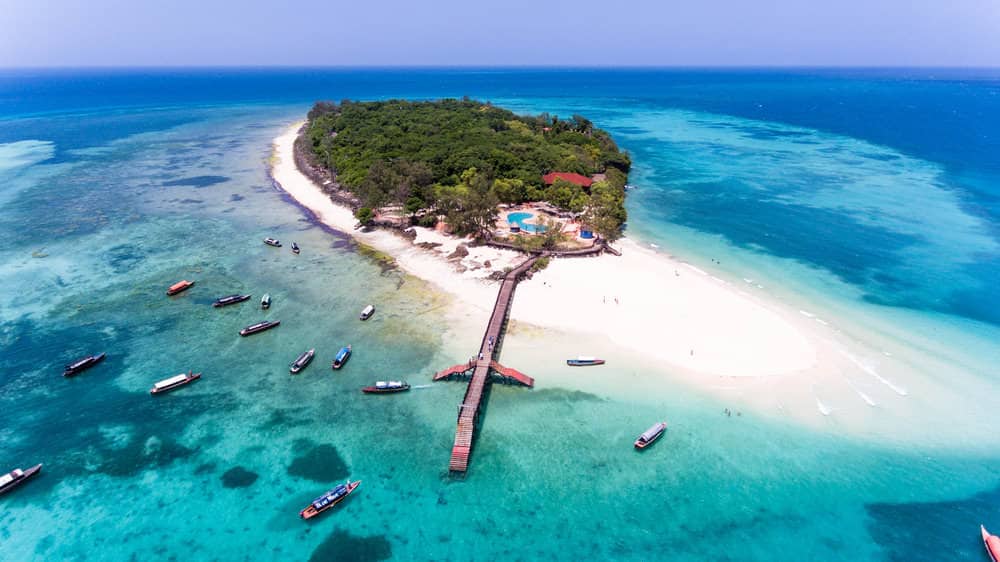
Zanzibar’s economy closed 2025 with renewed momentum, underpinned by strong performance in tourism, construction, and services, as well as improved macroeconomic stability, according to the latest State of the National Economy reports.
Two Bank of Tanzania (BoT) reports paint a picture of an economy that has largely overcome the disruptions of recent years and is now operating on a firmer growth trajectory.
Services remain the dominant driver, with tourism-related activities, trade, transport, and accommodation accounting for a growing share of output, employment, and foreign exchange earnings.
Both the January 2026 Monetary Policy Report and the December 2025 Monthly Economic Review (MER) show that stable inflation created a supportive climate for business growth and consumer activity in the Isles.
By the end of 2025, inflation in Zanzibar had moderated, reflecting improved domestic food supply, easing imported inflation, and relative exchange rate stability. This price stability has helped sustain household purchasing power and supported consumption, particularly among low- and middle-income earners who are most sensitive to food and transport costs.
External sector performance remained a key source of strength. Tourism receipts continued to generate steady foreign exchange inflows, supporting reserve adequacy and helping cushion the economy against external shocks.
The reports indicate that Zanzibar maintained a current account surplus, largely due to the dominance of tourism and related services in exports, highlighting the sector’s central role in macroeconomic stability.
Credit to the private sector also expanded, reflecting improving confidence among businesses, particularly in hospitality, trade, and transport.
Financial institutions continued to channel lending toward productive sectors, supported by a stable monetary policy environment and adequate liquidity in the banking system. This expansion of credit has been critical in supporting investment, job creation, and small and medium-sized enterprises.
On the fiscal side, prudent management helped reinforce economic stability. Government revenues improved in line with rising economic activity, allowing authorities to finance priority expenditures while avoiding excessive borrowing pressures. This balance between growth and discipline has been instrumental in sustaining investor confidence and reinforcing Zanzibar’s overall economic outlook.

Despite these gains, the reports caution that Zanzibar’s growth model remains highly concentrated. Heavy reliance on tourism exposes the economy to global travel disruptions, climate risks, and shifts in international demand.
As a result, policymakers are encouraged to accelerate efforts to diversify the economic base, particularly by promoting light manufacturing, agro-processing, and the blue economy.
Looking ahead, the outlook for Zanzibar’s economy remains positive. Growth is expected to remain strong in 2026, driven by continued expansion in tourism, construction, and services, alongside ongoing public and private investment. However, sustaining this momentum will depend on maintaining macroeconomic stability, strengthening productivity, and ensuring that growth translates into broad-based improvements in livelihoods.