By Peter Haule, Dodoma
The government has signalled a tougher regulatory stance on the fast-growing gambling industry, even as the sector emerges as a significant contributor to public revenue and employment.
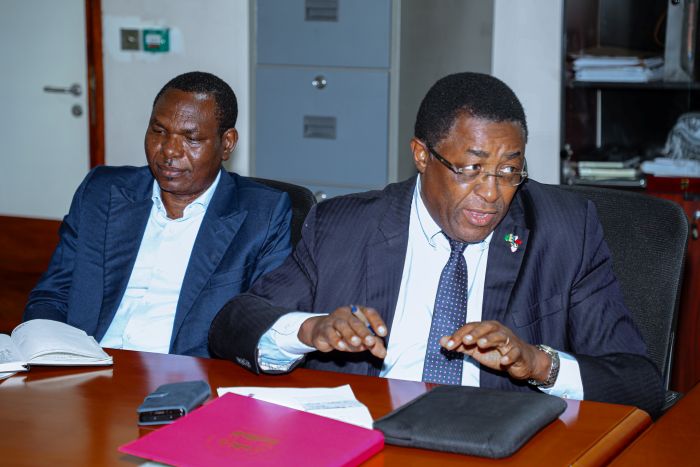
Minister for Finance, Ambassador Khamis Mussa Omar (pictured), has called on the Gaming Board of Tanzania to strengthen oversight of betting and gaming activities in order to curb negative social impacts – particularly among young people – while safeguarding the sector’s economic gains.
The minister made the remarks at Treasury Square in Dodoma during a meeting with the Board’s leadership, led by its Chairman, retired ambassador Modest Jonathan Mero, to review the regulator’s performance and mandate.
“Although gambling is legally permitted and has made a meaningful contribution to national revenue, it is essential that the sector continues to be properly regulated,” Ambassador Omar said.
Balancing revenue growth with a social responsibility
Ambassador Omar emphasised the need for closer collaboration between the Gaming Board and other stakeholders to clamp down on illegal and non-compliant operations, warning that unregulated gambling was increasingly spreading into rural areas.
“The Gaming Board must establish a special mechanism to control activities that violate existing laws, in collaboration with other stakeholders,” he said. “These games have reached villages, where young people are spending excessive time gambling instead of engaging in productive work.”
He also urged the Board to intensify public awareness campaigns to ensure that gambling activities are conducted within the legal framework and do not undermine public morals.
Revenues double, employment expands
For its part, the Gaming Board highlighted the sector’s growing fiscal importance. Board Chairman Modest Jonathan Mero said government revenue from gambling had doubled in just four years.
“The sector’s contribution to national revenue has increased from TSh130 billion in the 2021/22 financial year to TSh260 billion in 2024/25,” Mero said.
Beyond tax receipts, he noted that the industry currently supports around 30,000 jobs, encompassing operators and other stakeholders, while also contributing to sports development through sponsorships, including football.
Over TSh900 billion paid to Treasury in five years
Gaming Board Director General James Mbalwe said the sector has become a reliable source of funding for the government’s consolidated fund, contributing more than TSh900 billion over the past five years, with annual payments continuing to rise.
However, Mbalwe issued a firm warning to illegal operators, particularly those running unlicensed slot machines, locally known as madubwi.
“I urge individuals operating gambling activities illegally, including ownership of unlicensed slot machines, to stop immediately,” he said. “Strict measures will be taken against offenders in collaboration with local government authorities.”
Gambling is entertainment, not employment
Mbalwe also delivered a direct message to the public – especially young people – warning against viewing gambling as a substitute for work.
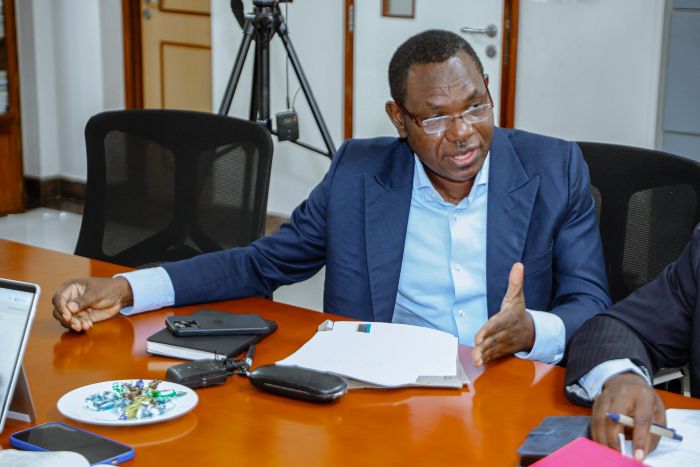
“This sector is meant for entertainment, not as an alternative to employment,” he said. “People must work to earn money and then enjoy themselves responsibly.”
Established in 2003, the Gaming Board of Tanzania is mandated to regulate and control gambling activities nationwide. As the sector continues to expand – driven by digital betting platforms and rising disposable incomes – the government now faces the challenge of maintaining a delicate balance: maximising fiscal and employment benefits while protecting communities from social harm. For policymakers, the message is clear: gambling may be good business, but without firm regulation, its costs could outweigh its gains.