
By Business Insider Reporter
Tanzania is rapidly emerging as a key player in the global avocado market, which was valued at over US$16.2 billion (about TSh 40 trillion) in 2024.
The country earned about US$79 million in foreign exchange from avocado exports that year – an impressive leap from just over US$1.8 million in 2013, representing a growth of more than 4,000% in export earnings over a decade.
At the current market exchange rate, that translates to about TSh 193.32 billion.
According to a recent study by the University of Leeds in the UK, Tanzania produced 36,520 tonnes of avocados in 2024, cementing its position as the fourth-largest exporter of the fruit in Africa, behind Kenya, South Africa and Morocco.
The study suggests that Tanzania could significantly boost its avocado export earnings with better value chain management.
“Tanzania’s avocado exports are booming, but much of the fruit goes to waste,” noted Dr. Jonas Cromwell, a lecturer in Food Security at the university’s School of Food Science and Nutrition.
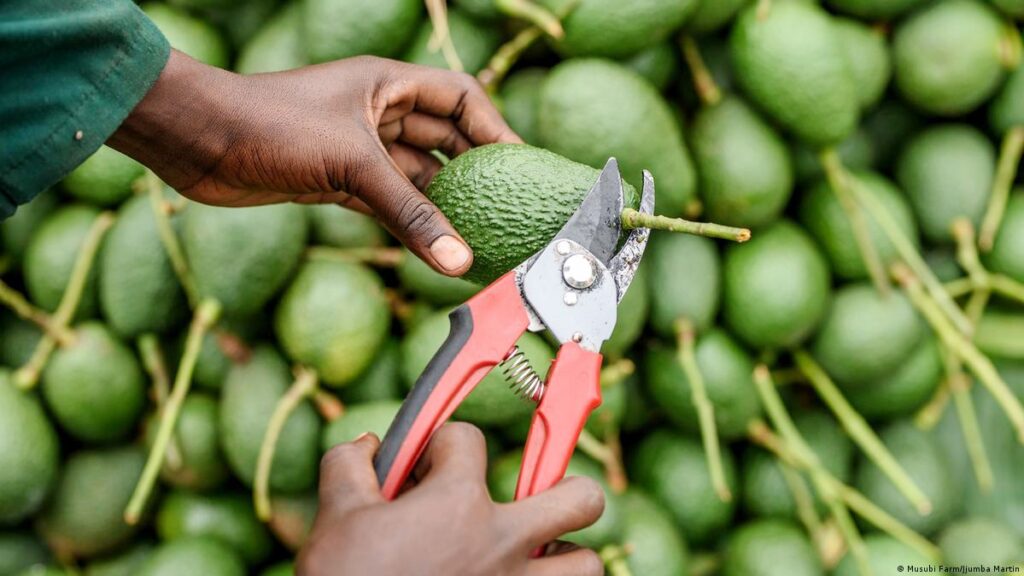
The report highlighted inefficiencies in harvesting, storage, and distribution that lead to post-harvest losses and reduced export quality.
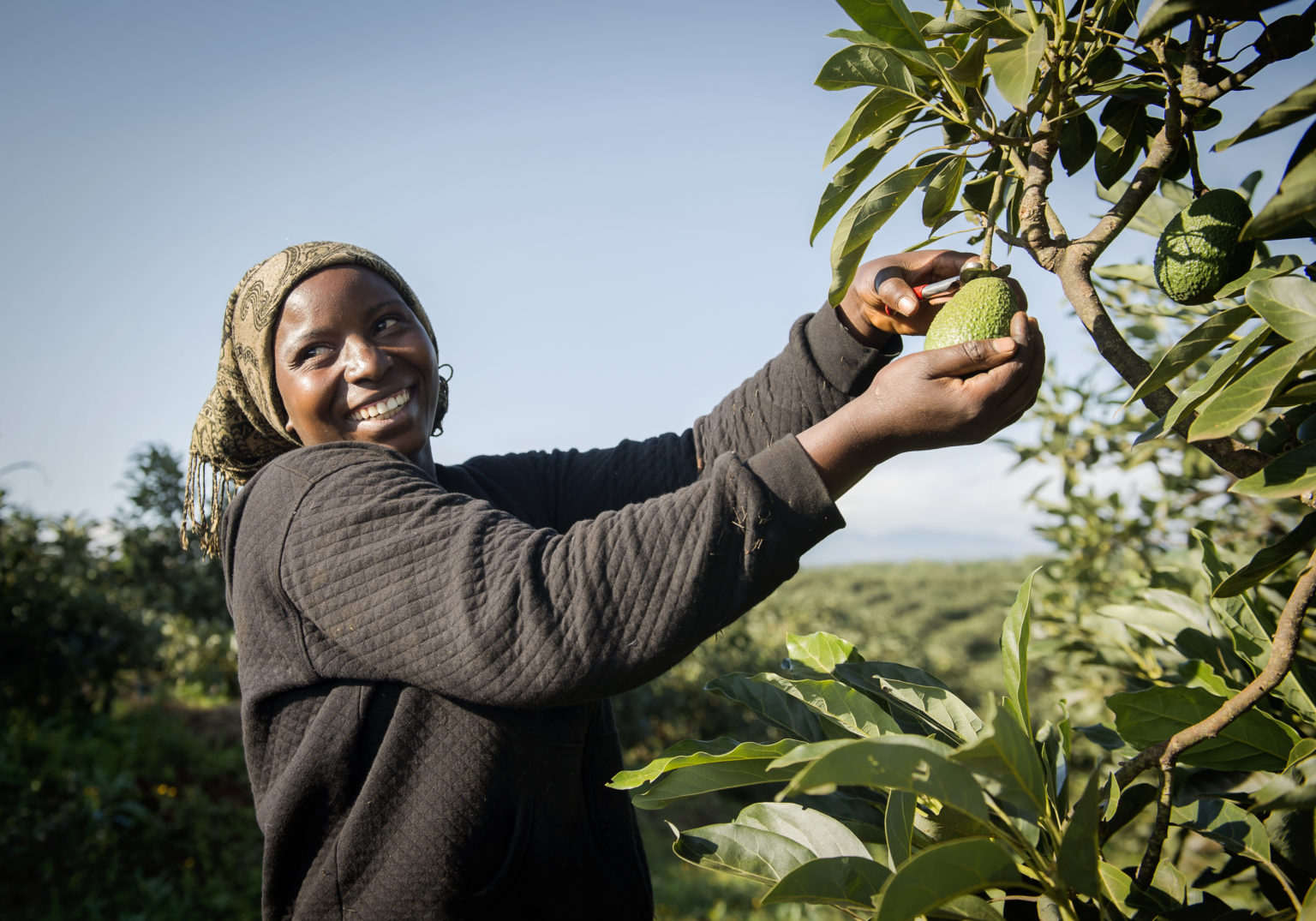
Avocados, often referred to as “green gold,” have been cultivated in Tanzania since the early 1890s, but commercial production and exports have surged in recent decades.
Globally, demand for avocados continues to climb, driven by health-conscious consumers and culinary trends. The global avocado market, valued at US$5 billion in 2020, is projected to reach US$23 billion by 2029.
Tanzania’s main export destinations for avocados include Europe (40 percent), India (30 percent), and the Middle East (19 percent).
This diversified market access, argues Dr. Cromwell, provides a strong foundation for further growth if the country addresses value chain inefficiencies, invests in cold storage, and strengthens compliance with international phytosanitary standards.
With the right strategic investments, he adds, Tanzania has the potential not only to increase its share in global markets but also to position avocados as a key driver of its agricultural export economy.
The fruits are mostly grown across several highland and temperate regions, with the Southern Highlands leading the way. Njombe Region stands out as the country’s top avocado-producing area, thanks to its cool climate, high altitude, and well-organised farming cooperatives.
Neighboring Iringa Region, particularly in districts like Mufindi and Kilolo, also contributes significantly to national production, supported by good infrastructure and proximity to Njombe.
In the Mbeya Region, both Hass and local avocado varieties are cultivated, and the area is attracting growing interest from agribusiness investors due to its favorable climate and expanding market access.
Further north, traditional growing areas such as Kilimanjaro and Arusha regions remain important players, where many smallholder farmers have cultivated avocados for generations. These areas benefit from well-established farming knowledge and logistical advantages, such as access to major roads and export facilities.
On the eastern seaboard, Tanga Region is gaining momentum as a producer, especially of tropical avocado varieties that thrive in the region’s warm, humid climate. Similarly, Morogoro Region is emerging as a moderate producer with strong potential for scaling up production, catering to both domestic and export markets.
Emerging avocado-growing areas such as Ruvuma, Songwe, and Manyara regions are now catching the eye of investors, signaling that Tanzania’s avocado boom is spreading far beyond its traditional strongholds. Together, these regions form the backbone of Tanzania’s growing avocado industry, which is quickly becoming a key driver of agricultural exports and rural economic development.