By Business Insider Reporter
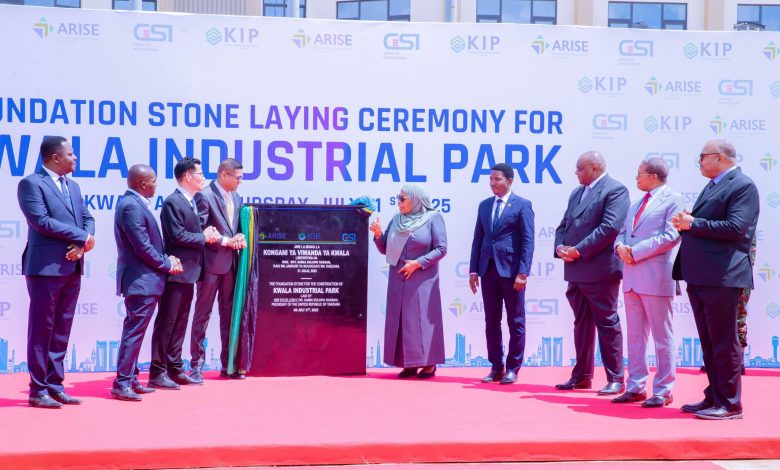
President Samia Suluhu Hassan today officially inaugurated the landmark Kwala Industrial Park, a flagship infrastructure project expected to transform Tanzania’s manufacturing landscape and position the country as a regional industrial powerhouse.
Graced by high-level dignitaries from the Democratic Republic of Congo (DRC), Burundi, and representatives from other East and Central African nations, the launch marks a bold statement of Tanzania’s commitment to industrialisation, regional integration, and job creation.
Regional economic magnet
Located in Kibaha District, just 40 kilometres from Dar es Salaam, Kwala Industrial Park sits strategically along key regional corridors that connect Tanzania to the DRC, Zambia, Malawi, Rwanda and Burundi.
With access to the Central Railway, the Standard Gauge Railway (SGR), and the Dar es Salaam Port, the park is poised to become a crucial logistics and manufacturing hub.
“The launch of this park is not just a milestone for Tanzania. It is a step forward for the entire region,” President Samia said during her keynote speech. “We are building more than infrastructure – we are building the foundation of a more competitive, industrialised East Africa.”
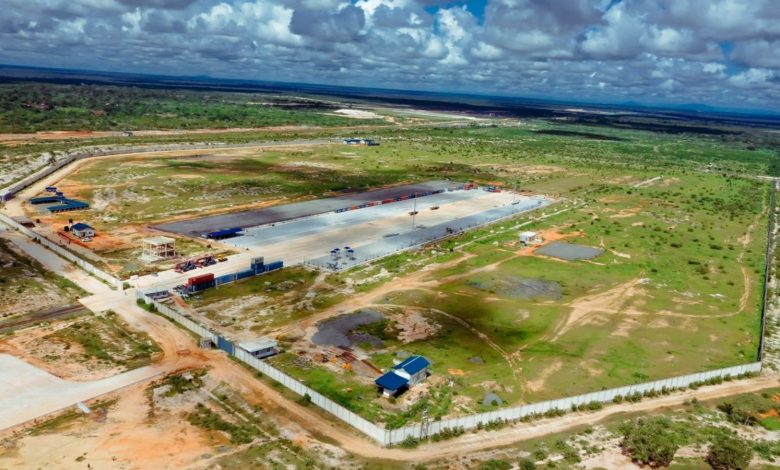
The first phase of the park spans over 1,000 hectares and has already attracted investments worth over TSh300 billion from both local and international manufacturers.
These include industries in agro-processing, construction materials, pharmaceuticals, textiles, and clean energy.
Officials from the Tanzania Investment Centre (TIC) confirmed that over 30 companies have secured space in the park, with several already operational.
Notably, a large-scale fertiliser plant, a Chinese electronics manufacturer, and a Congolese packaging firm are among the anchor tenants.
Job creation and industrial linkages
According to the Ministry of Industry and Trade, the Kwala Industrial Park is expected to create over 50,000 direct and indirect jobs once fully operational, making it one of the largest employment generators outside urban centres.
“This initiative responds directly to our industrialisation agenda under Vision 2050,” said Industry and Trade Minister Dr. Selemni Jaffo. “We are focusing on value addition, import substitution, and empowering our youth through skilled employment.”
Additionally, the park will drive linkages with local suppliers, particularly in agriculture, textiles, and mining – sectors that form the backbone of Tanzania’s rural economy.
A symbol of regional integration
The presence of delegations from the DRC and Burundi – two of Tanzania’s key trade partners in the East African Community (EAC) – underscores the park’s cross-border significance. Officials confirmed that the facility will offer dedicated zones for regional exporters to assemble and repackage goods for broader African markets under the African Continental Free Trade Area (AfCFTA).
The government has invested heavily in infrastructure surrounding the park, including road upgrades, reliable electricity connections from the Julius Nyerere Hydropower Plant, water supply systems, and customs facilities.
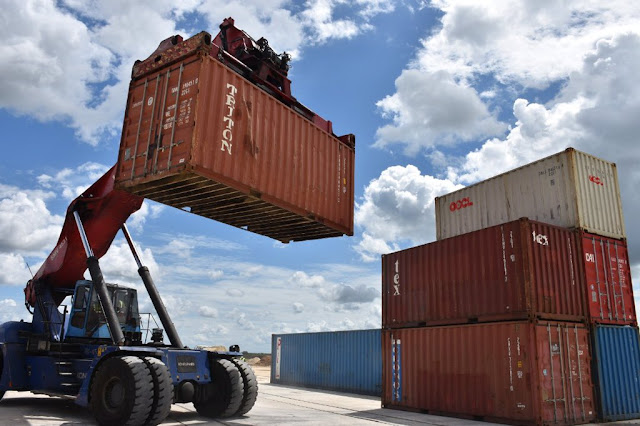
A dry port linked to the SGR is also being developed to ease cargo movement.
Moreover, the park includes green zones and waste management systems, aligning with Tanzania’s commitment to sustainable industrialisation.
President Samia’s administration has identified industrial parks as a key driver of economic transformation. Alongside the Kwala project, similar industrial zones are planned for Dodoma, Mwanza, and Mbeya, with feasibility studies already underway.
Analysts suggest that the success of Kwala will serve as a blueprint for future developments – showcasing how targeted infrastructure, policy incentives, and regional cooperation can catalyse inclusive growth. With its launch today, Kwala Industrial Park is no longer just a vision – it is Tanzania’s bold statement that the future of manufacturing in East Africa begins here.