
By Business Insider Reporter
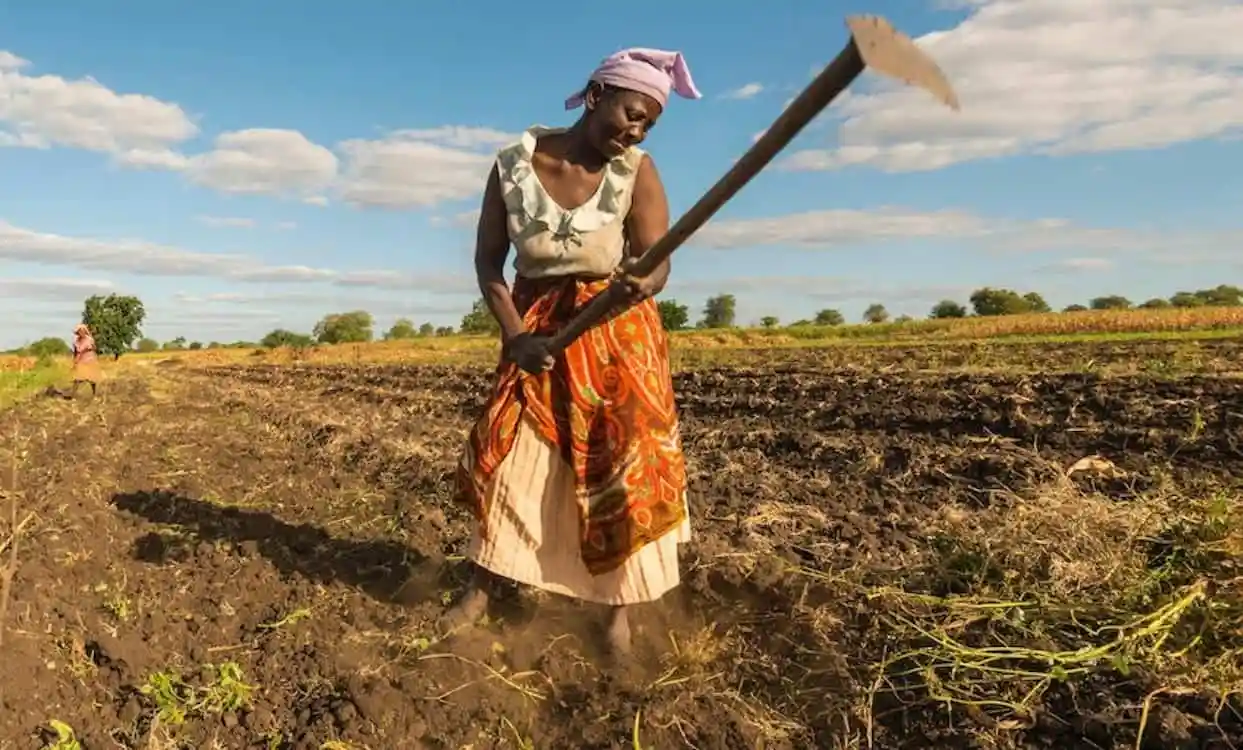
As the United Nations rings alarm bells over a sharp rise in food insecurity across Africa, Tanzania emerges as an exceptional case – bucking the regional trend with a rare food surplus that could transform the country’s economic standing and influence within East Africa.
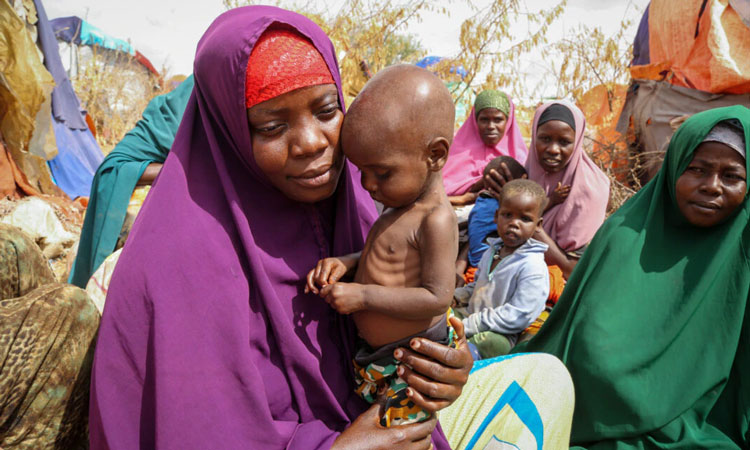
According to a new UN report released on Monday, over 1 billion people in Africa – two-thirds of the continent’s population – were unable to afford a healthy diet in 2024, with the prevalence of moderate or severe food insecurity more than double the global average.
However, Tanzania, which enjoyed a record food harvest in the 2023/24 season, now finds itself in a strategic position to lead the region in food security, trade, and agri-based economic diplomacy.
A regional outlier
While countries across the Sahel, the Horn of Africa, and parts of Central Africa continue to struggle with climate shocks, armed conflict, and fragile food systems, Tanzania’s favourable rainfall patterns, policy incentives, and investments in agro-inputs and extension services helped produce more than 20 million tonnes of food against an estimated national requirement of 16 million tonnes.
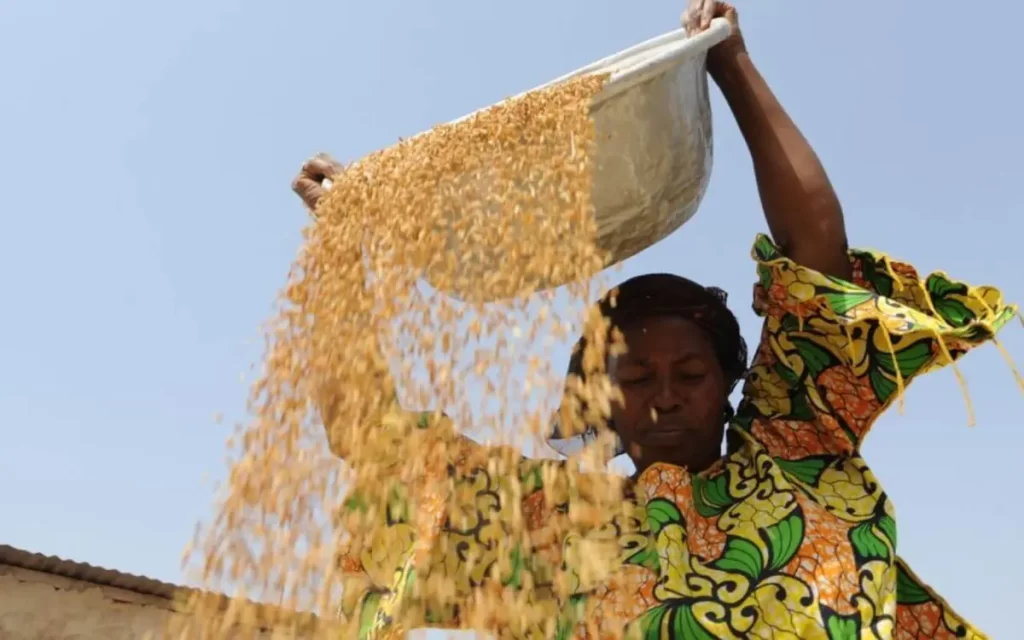
That surplus – estimated at over 4 million tones – is not just a statistical achievement but a commercial opportunity. According to government sources, surplus grains, legumes, and horticultural produce are already being earmarked for export to food-stressed neighbours such as the Democratic Republic of Congo, South Sudan, and parts of Kenya.
Implications for Tanzania economy
Tanzania’s food surplus opens the door to greater regional trade, increased foreign exchange earnings, and the potential for value-added processing industries.
It also supports the government’s ambition to turn agriculture into a strategic growth sector that can rival mining and tourism in its contribution to GDP.
“This surplus gives us a rare opportunity to reposition our agriculture sector not just for food security but also for trade, job creation, and industrialisation,” said a senior official at the Ministry of Agriculture.
He noted that increased grain exports, especially maize, beans, and rice, could improve Tanzania’s trade balance and bring in badly needed forex, especially as global food prices remain elevated.
Humanitarian and strategic opportunity
In addition to trade, Tanzania could leverage its surplus to boost its humanitarian diplomacy.
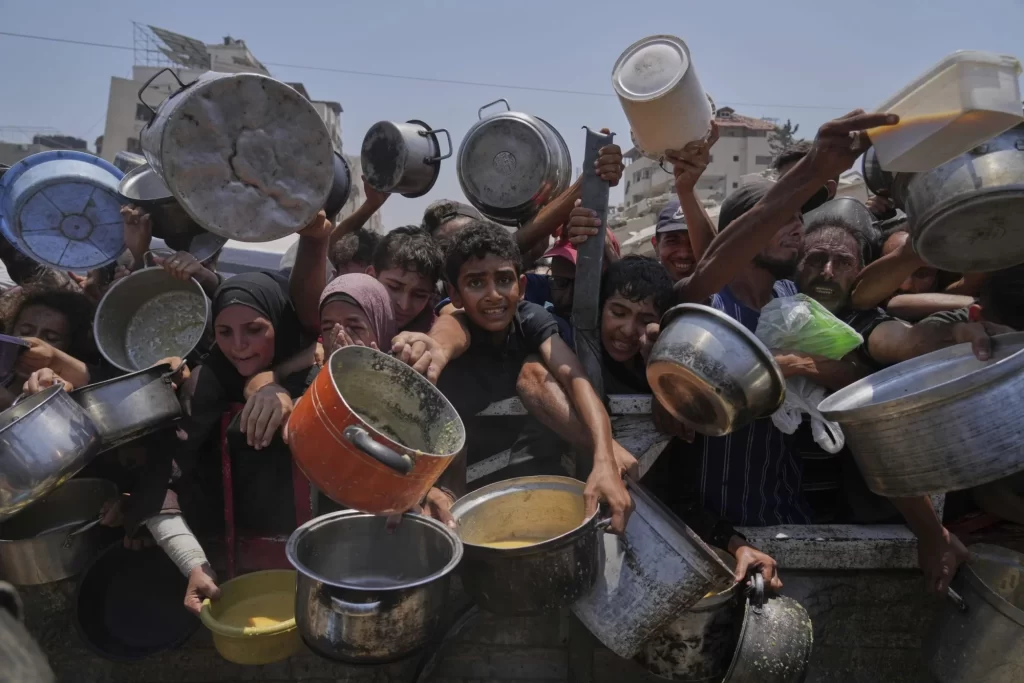
With neighbouring countries such as Sudan, South Sudan, and parts of Ethiopia facing acute food shortages, Tanzania is well placed to offer emergency food aid or concessional exports, strengthening its standing in African regional politics.
Analysts suggest that this could enhance Tanzania’s influence within the East African Community (EAC), the African Union, and continental initiatives such as the African Continental Free Trade Area (AfCFTA).
Caution amidst optimism
Despite the positive momentum, experts warn that Tanzania’s gains are fragile. “One bumper harvest doesn’t mean structural food security,” said Dr. Alais Morindat, a food policy analyst based in Arusha. “We must address post-harvest losses, invest in storage and processing, and build climate resilience into the agricultural value chain.”
Currently, post-harvest losses account for up to 30% of Tanzania’s grain output annually.
Without cold storage, many perishable crops also fail to reach export quality, limiting potential in high-value markets like the EU, China, or Gulf states.
Model for the region?
If Tanzania can maintain its production trajectory and invest strategically in agrifood systems, it could become a model of food resilience on a hungry continent.
The UN report paints a bleak picture for much of Africa, but Tanzania’s success story offers a counter-narrative: that with the right mix of policy, weather, and will, Africa can feed itself – and others.
As the global community grapples with food crises, Tanzania may hold some of the answers. The challenge now is to convert temporary abundance into lasting prosperity.