

By Business Insider Reporter
Tanzania’s external sector has continued to demonstrate resilience in the face of global economic uncertainties, according to the Bank of Tanzania’s July 2025 Monetary Policy Report.
Supported by strong exports, rising tourism earnings, and steady foreign investment, the country’s foreign reserves remain adequate to cushion against external shocks.
The report shows that during the year ending May 2025, the current account deficit narrowed to US$2.27 billion, down from US$4.83 billion in the corresponding period a year earlier.
This improvement was primarily driven by robust growth in service receipts, particularly tourism, and higher gold exports.
Travel receipts surged to US$3.3 billion, reflecting continued recovery in the tourism sector following the COVID-19 pandemic.
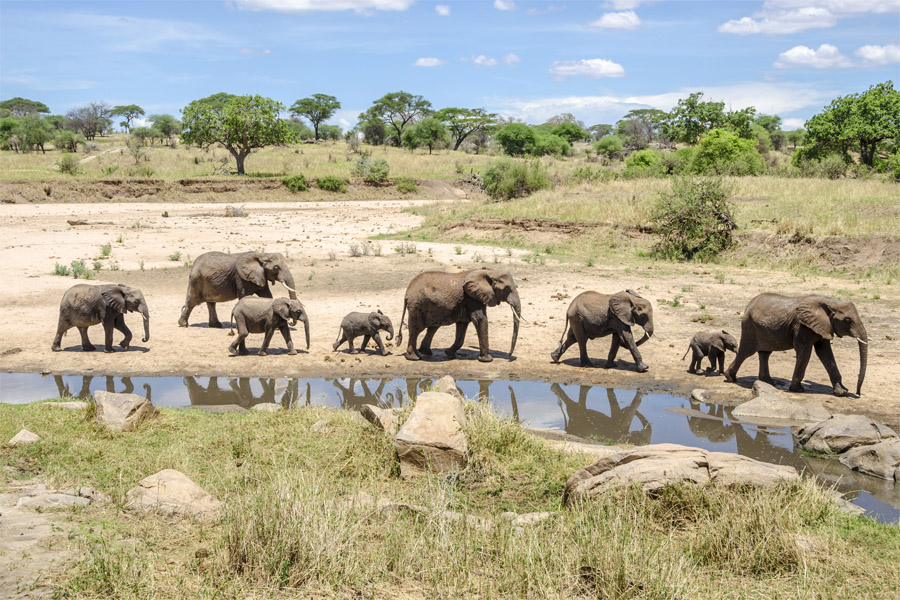
Tanzania’s renewed focus on marketing its national parks, beaches, and cultural heritage – coupled with improved international flight connectivity – has helped attract more visitors, especially from Europe and Asia.
On the goods side, exports of minerals and manufactured products performed strongly. Gold exports alone reached US$3.08 billion, supported by favourable global prices. Manufactured exports – led by cement, textiles, and processed food – climbed by 13.7 percent year-on-year, a reflection of both regional demand and enhanced industrial capacity at home.
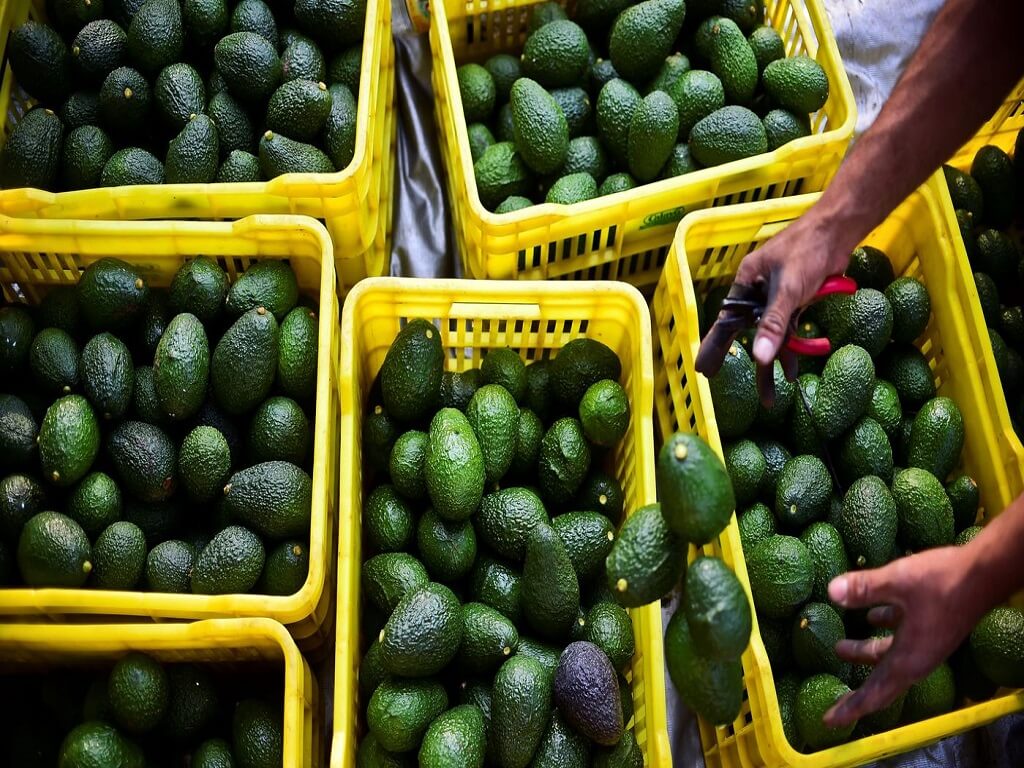
This underlines the importance of value addition and improved marketing in agricultural exports, as well as the need to hedge against global price volatility.
Meanwhile, the import bill for goods slightly declined to US$15.36 billion, compared to US$16.13 billion in the year ending May 2024.
This decline was attributed to a moderation in the importation of machinery and transport equipment, as some major infrastructure projects entered completion phases. Nonetheless, imports of oil and fertilisers increased, reflecting price hikes and agricultural demand.
A key highlight from the report is the stability of Tanzania’s foreign exchange reserves, which stood at US$5.2 billion as of end-June 2025.

This is sufficient to cover 4.4 months of imports, comfortably above the EAC and SADC convergence criteria of at least 4 months.
The value of traditional exports, however, continued to struggle. Cotton, cashew nuts, and coffee faced price and demand challenges in global markets.
Moreover, the exchange rate remained broadly stable, supported by central bank interventions and improved foreign currency inflows.
The Tanzanian shilling depreciated slightly by 1.7 percent against the US dollar over the year, consistent with trends across sub-Saharan Africa, and driven mainly by strengthening of the dollar globally.
Net inflows of foreign direct investment (FDI) remained healthy, particularly in mining, energy, and transport. Recent reforms in investment legislation and tax administration have enhanced investor confidence.
The report also noted that the external debt stock reached US$35.2 billion, an increase from US$33.5 billion the previous year.
However, debt sustainability indicators remained within safe thresholds, with most debt contracted on concessional terms.
Looking ahead, the Bank of Tanzania expects the external sector to benefit from improved trade logistics, especially following the expansion of the Dar es Salaam Port and increased integration with regional markets through the African Continental Free Trade Area (AfCFTA). The report concludes that while the global environment remains uncertain – due to commodity price swings, geopolitical tensions, and interest rate trends – Tanzania’s diversified export base, stable reserves, and prudent monetary policy provide a solid buffer for continued external sector stability.