By Business Insider Reporter
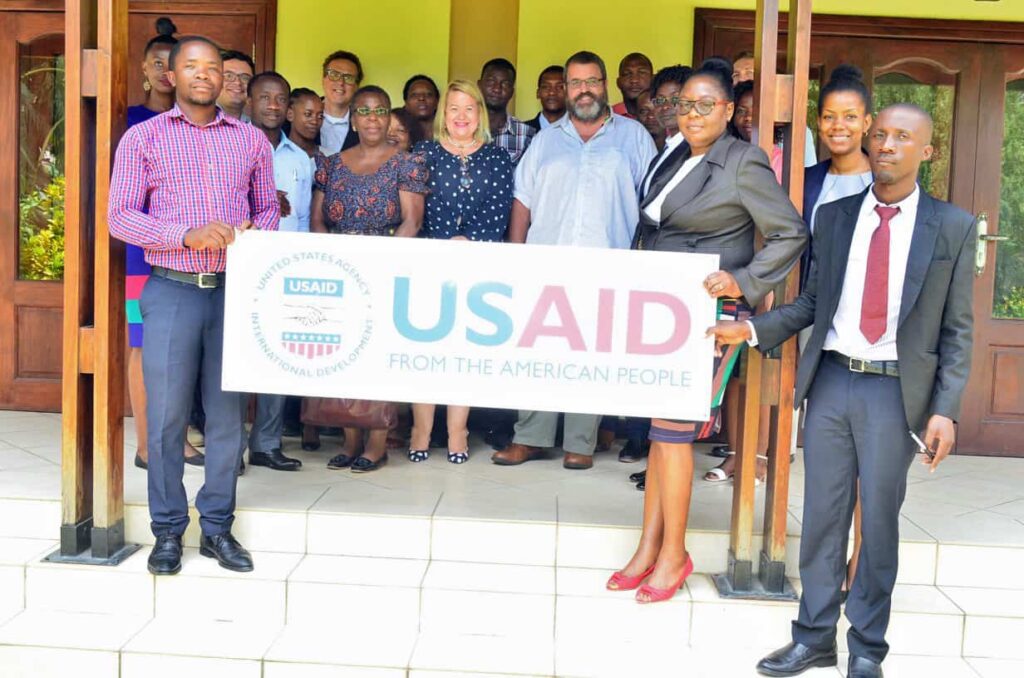
More than 50,000 Tanzanian health workers are at risk of losing vital financial support following the abrupt withdrawal of USAID funding, a move that threatens to destabilise key national health programs, according to the International Monetary Fund’s (IMF) July 2025 Staff Report.
The report reveals that over 20,000 individuals employed directly and indirectly in the health sector – many through civil society organisations and community health initiatives – stand to be affected.
These personnel have been instrumental in delivering services for HIV, malaria, family planning, and child health. An additional 30,000 government-employed health workers, who had been receiving supplementary income to carry out expanded responsibilities under USAID-funded projects, are also impacted.
Tanzania had been among the largest USAID beneficiaries in Sub-Saharan Africa, receiving an estimated USD 400 million annually.
This funding equated to roughly 0.5% of Tanzania’s GDP and 40% of total health sector expenditure. The IMF estimates that the cutbacks will reduce Tanzania’s high-priority health spending by approximately 0.2% of GDP annually, putting essential services at risk.
Immediate government action
In response, the Tanzanian government moved swiftly to contain the fallout.
A supplementary budget of TSh93 billion was introduced in the second half of FY2024/25 to plug urgent funding gaps. According to Minister for Health, Jenista Mhagama, the Ministry conducted a national assessment of available and incoming health commodities and has since implemented a strategic response plan covering the short, medium, and long term.
“For malaria medications and diagnostics, we have stock that will last until February 2026. For HIV and other critical medications, we have already taken proactive steps – our supplies are currently secured through June,” Mhagama stated during a press briefing on April 25, 2025.
Transitioning to domestic funding
In coordination with the President’s Office, Public Service Management, and Good Governance, the Ministry of Health is working to absorb previously USAID-funded roles into the public payroll, aiming to stabilize workforce capacity amid the funding vacuum.
Additionally, the 2025/26 national budget introduced new domestic revenue measures to sustain health financing. These include levies on beer, telecommunications, fuel, minerals, gambling, imported vehicles, and air travel. Collectively, the government expects to raise over TSh500 billion, with 70% allocated to the AIDS Trust Fund and 30% to the Universal Health Fund, ensuring continued support for HIV prevention and access to essential health services.
Uncertain road ahead
While these interventions reflect commendable agility, the long-term sustainability of Tanzania’s health sector remains uncertain.
The loss of USAID support presents a structural funding challenge – one that demands strategic investment, donor diversification, and innovation in domestic resource mobilization.
The stakes are high: tens of thousands of lives depend on uninterrupted access to critical health services. Whether Tanzania can fully bridge the gap – and protect its most vulnerable populations – will be a key test of resilience for its public health system.