
By Business Insider Reporter, Dodoma
Energy sector in the country has emerged as a central pillar of the national economy, contributing an impressive 14.4 percent to the country’s GDP in the 2024/25 financial year – up from 5.8 percent in 2015 – thanks to sustained investment in electricity, natural gas, and petroleum infrastructure.
This was revealed by the Deputy Minister for Energy, Judith Kapinga, during her contribution to the Ministry of Planning and Investment’s budget debate in Parliament. She applauded President Samia Suluhu Hassan for prioritising long-term investments in energy, describing the sector as “the heart of the economy.”
“Between 2015 and 2025, energy has become one of the top three sectors contributing to GDP. This is the result of deliberate, strategic investments,” said Kapinga.
Gas and petroleum: Key growth drivers
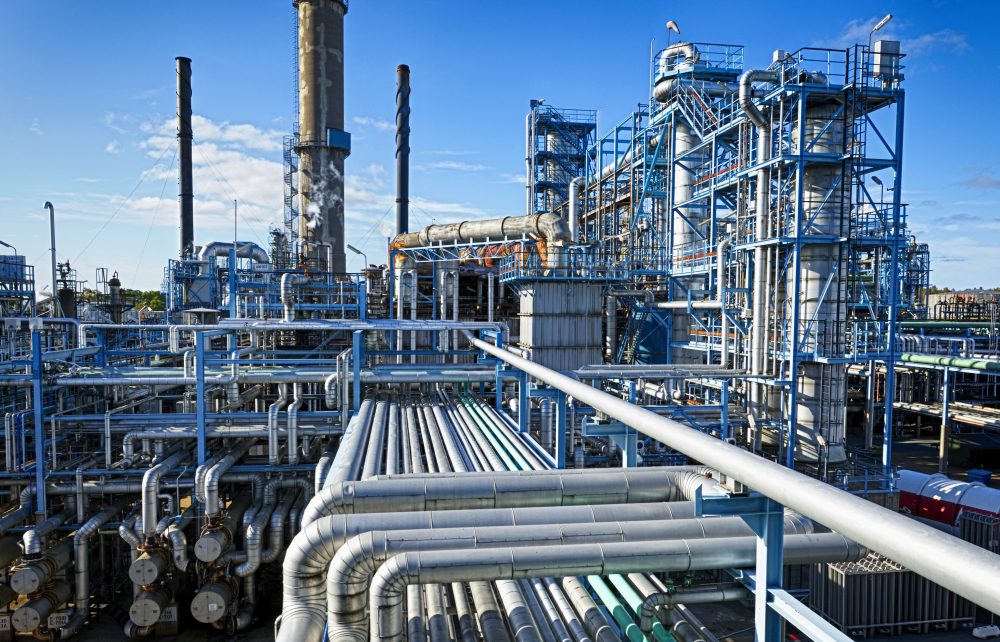
Kapinga outlined significant milestones in the gas and petroleum sub-sectors. Notably, the government – through the Tanzania Petroleum Development Corporation (TPDC) – has enhanced its stake in the Mnazi Bay gas block from 20 percent to 40 percent, strengthening local participation in key natural resource projects.
In the last four years alone, 25.51 billion cubic feet of natural gas has been produced from each of the Mnazi Bay and Songo Songo blocks. Further, the government has signed an agreement to develop the Ntorya gas field in the Ruvuma Basin, which is now in its initial stages of production and infrastructure development.
Kapinga also highlighted progress in the use of compressed natural gas (CNG) in vehicles and piped gas for household use in Dar es Salaam, Mtwara, and Lindi, positioning the sector as a catalyst for industrialisation and clean energy adoption.
Price stabilisation and import reforms
In the downstream petroleum market, the government has successfully implemented pricing interventions to cushion consumers from global oil shocks by offering subsidies, thus keeping domestic fuel prices relatively stable.
Additionally, Kapinga noted the strengthening of Tanzania’s Bulk Procurement System (BPS) for petroleum imports, which continues to enhance transparency, efficiency, and price predictability in the market.
Electricity generation triples
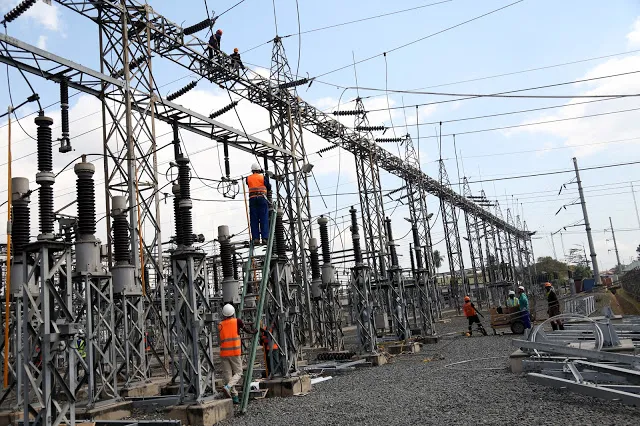
Turning to the electricity sub-sector, Kapinga revealed that Tanzania’s power generation capacity has surged from 1,600MW in 2021 to 4,000MW in 2025, driven largely by flagship projects like the Julius Nyerere Hydropower Project.
This dramatic increase in generation has been complemented by significant investments in transmission and distribution.
Electricity transmission lines have expanded from 6,000 km in 2021 to over 8,000 km, while distribution networks have grown from 144,000 km to 200,000 km over the same period.
“Power is the lifeblood of the economy. Expanding our capacity and network coverage is essential for inclusive industrial growth,” said Kapinga.
Rural electrification
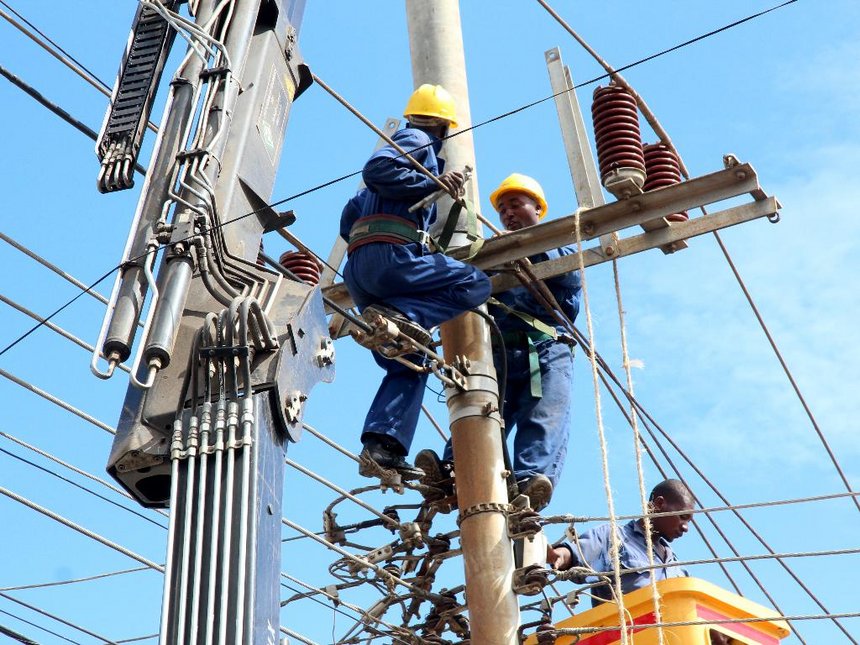
One of the sector’s most celebrated achievements is the completion of electricity supply to all villages in Tanzania. The government’s focus has now shifted to extending power to sub-village (vitongoji) levels, marking a new chapter in rural electrification and access.
Business implications and outlook
The robust performance of the energy sector offers a strong foundation for industrialisation, job creation, and investment attractiveness, especially as the country pushes ahead with its ambition to become a middle-income economy.
Analysts believe that continued investment in renewable energy, local content in gas development, and the digitisation of energy services will be crucial in maintaining the sector’s growth trajectory and ensuring sustainability. As the government pursues further liberalisation and public-private partnerships (PPPs) in the sector, Tanzania’s energy economy appears well-positioned to remain a key driver of national prosperity for years to come.